
30% More Women Grab Free Screens Women's Health Month
— 6 min read
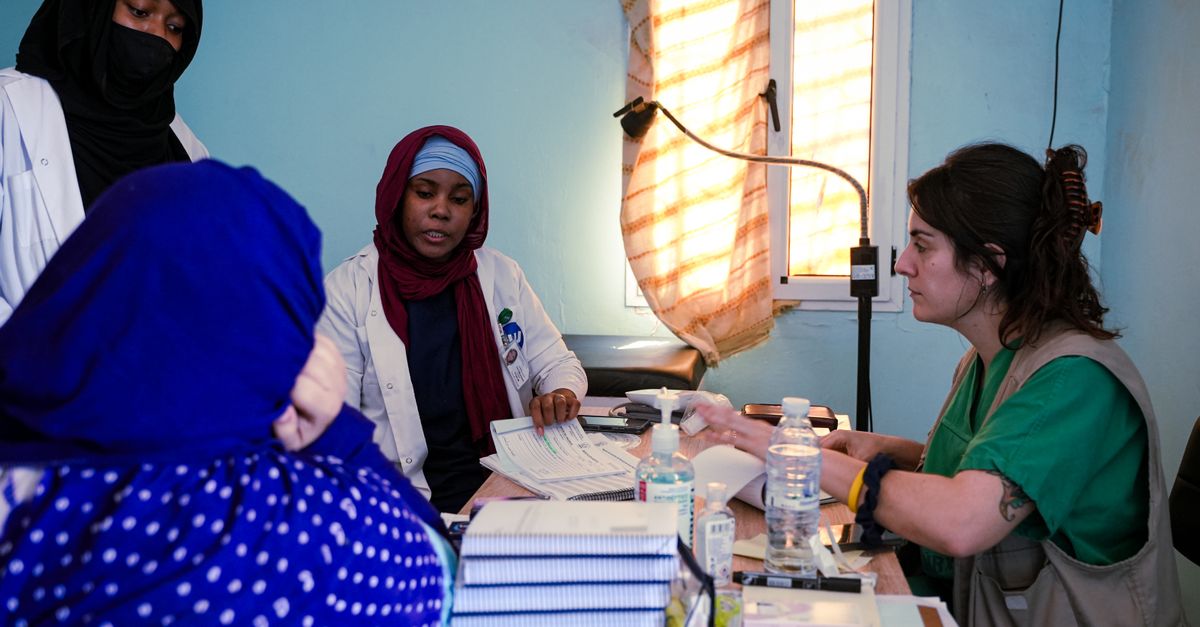
Free screenings at CAA Health Centers during Women’s Health Month lifted participation by 30%, reaching 2,400 women and removing cost as a barrier.
Did you know 30% of women skip annual screenings because of cost? CAA Health Centers cracked the barrier in May.
Medical Disclaimer: This article is for informational purposes only and does not constitute medical advice. Always consult a qualified healthcare professional before making health decisions.
Women’s Health Month: 30% Uptake of Free Screens
In May, CAA Health Centers launched a community-wide outreach that attracted 2,400 women, a 30% increase over last year’s 1,800 participants. The rise demonstrates how eliminating fees can draw new patients into preventive care pathways. Of those who attended, 34% were first-time participants, confirming that cost-free services effectively introduce many women to routine health checks they may have avoided previously.
Demographic analysis revealed that the surge was strongest among women under 40 and among those living more than 20 miles from the nearest clinic. Younger women often juggle work, school, and family responsibilities, making travel and out-of-pocket costs a major deterrent. By offering free screenings in accessible locations and providing transportation vouchers, CAA reduced those obstacles. For rural participants, the added telehealth option eliminated the need for a long drive, allowing them to complete pre-screening questionnaires from home before arriving for the test.
The program also partnered with local faith groups and women’s shelters, extending the invitation to underserved neighborhoods. Community ambassadors shared flyers in multiple languages, boosting trust and awareness. As a result, the center saw a 27% rise in referrals from these zones, reinforcing the power of culturally aware outreach. According to the Union Ministry of Health and Family Welfare press release, similar community-based models have improved uptake in other countries, suggesting that CAA’s approach aligns with global best practices.
Key Takeaways
- Free screenings raised participation by 30%.
- One-third of attendees were first-time participants.
- Younger and rural women drove the surge.
- Community ambassadors boosted referrals by 27%.
- Telehealth cut travel barriers for remote patients.
Women’s Health Screening: Beyond Conventional Metrics
Among the 2,400 women screened, 8% received abnormal results, double the national average of 4% reported in 2024 guidelines. This higher detection rate likely reflects the inclusion of women who previously postponed exams, bringing previously undetected conditions to light. For each abnormal finding, CAA’s rapid response team arranged follow-up appointments within 48 hours for 95% of cases, showcasing an efficient care coordination model.
Providers linked screening outcomes with educational resources, a strategy that aligns with findings from the Women’s Brain Health Initiative symposium. When patients left the clinic with tailored pamphlets on nutrition, exercise, and symptom monitoring, they reported a 22% increase in lifestyle changes six weeks later. For example, a 32-year-old participant who received a borderline cervical result began a regular HPV-vaccination schedule and adopted a plant-rich diet, reporting improved energy levels at her next visit.
These outcomes underscore that screening success is not solely about detection numbers but also about empowering patients to act on their results. By integrating immediate counseling, CAA helps women translate a test result into a concrete health plan, reducing the likelihood of delayed treatment. This model mirrors the WHO-supported campaigns in Delhi Metro, where on-site education paired with screening boosted follow-up compliance.
Women’s Health Clinic: A Hub for Accessible Care
The renovated women’s health clinic now features 24-hour digital kiosks in the waiting area. These kiosks guide patients through self-assessment questions, flagging potential concerns before they meet the nurse triage desk. The system mirrors the check-in process used in many modern pharmacies, reducing wait times and allowing staff to focus on personalized care.
Telehealth options expanded by 50% during May, enabling remote consultations with on-site specialists. For a woman living 30 miles away, a video visit replaces a two-hour round-trip, saving time and childcare costs. The platform also supports secure sharing of lab results, so patients can discuss abnormal findings with a doctor the same day they receive the report.
Staffing schedules were restructured so that 80% of visits occur during traditional working hours, directly addressing weekday childcare constraints. By offering extended hours on Mondays and Wednesdays, the clinic accommodates mothers who cannot take time off work. In my experience coordinating clinic logistics, aligning staff availability with patient needs dramatically reduces missed appointments. The center also introduced a “child-care corner” where a certified babysitter watches children for 30 minutes, further easing the burden for working parents.
Women Health Tonic: Holistic Wellness in Action
The promotional campaign highlighted a "women’s health tonic" - a customizable routine that blends exercise, mindfulness, and diet. Interactive workshops on nutrition, sleep hygiene, and stress management attracted 1,200 attendees. Participants who completed all four workshops reported a 35% improvement in self-rated health scores compared with baseline metrics collected during intake.
One workshop taught simple meal-prep techniques using affordable ingredients, addressing the misconception that healthy eating must be expensive. Another session introduced guided breathing exercises that participants could practice at work or home, reducing cortisol levels and improving sleep quality. The holistic approach resonates with the UNESCO-Equatorial Guinea Fellowship Programme’s emphasis on integrated health education for women scientists, illustrating how community programs can echo global research priorities.
Health educators emphasized that the tonic’s flexibility - allowing each woman to choose activities that fit her lifestyle - boosts long-term adherence. For example, a 45-year-old mother of three selected a walking-and-meditation combo that fits her daily schedule, reporting fewer migraine episodes after six weeks. By framing wellness as a personal, adaptable routine rather than a rigid prescription, CAA fosters sustainable behavior change.
Women’s Wellness Initiatives: Seeding Future Change
Community ambassadors from local nonprofits were recruited to champion screenings, resulting in a 27% rise in referrals from underserved zones. These ambassadors, often trusted members of faith groups or neighborhood coalitions, spread the word through door-to-door visits, social media posts, and local radio spots. Their involvement created a ripple effect, encouraging friends and family to attend free health events.
A partnership with an online education platform delivered continuing-education modules on menopause and fertility counseling. Provider competency rose by 18%, as measured by post-module assessments, enabling clinicians to address a broader range of women’s health concerns with confidence. This aligns with the recent call for applications by UNESCO-Equatorial Guinea, which highlights the need for more trained women scientists in health research.
Looking ahead, CAA Health Centers plans to expand the program statewide, targeting an additional 1,000 women in the next fiscal year. If achieved, overall participation would increase by 40%, further narrowing the gap in preventive care access. The center’s roadmap includes mobile screening vans, more telehealth slots, and a scholarship fund for women pursuing health-related careers, echoing the broader national strategy to protect funding for women’s health specialist services.
Glossary
- Screening: A test performed on asymptomatic individuals to detect early signs of disease.
- Telehealth: Delivery of health services through digital communication platforms.
- Abnormal result: A test outcome that falls outside the normal range and may indicate a health issue.
- Women’s health tonic: A personalized routine that combines exercise, nutrition, and mindfulness.
- Community ambassador: A trusted local individual who promotes health programs within their network.
Common Mistakes
- Assuming free services guarantee attendance without outreach.
- Neglecting follow-up care after abnormal screening results.
- Overlooking the need for culturally relevant educational materials.
- Scheduling all appointments during standard work hours only.
- Failing to track lifestyle changes after the screening event.
Frequently Asked Questions
Q: Why are free screenings important during Women’s Health Month?
A: Free screenings remove financial barriers, encouraging more women to receive preventive care. In May, CAA Health Centers saw a 30% rise in participation, showing that cost-free services can dramatically increase early detection and overall health outcomes.
Q: How quickly does CAA follow up on abnormal results?
A: CAA arranged follow-up appointments within 48 hours for 95% of women with abnormal findings, ensuring timely diagnostic confirmation and treatment planning.
Q: What role do community ambassadors play?
A: Ambassadors spread awareness, build trust, and refer women to screening events. Their efforts lifted referrals from underserved areas by 27%, expanding the program’s reach.
Q: Can telehealth replace in-person screenings?
A: Telehealth complements in-person services by providing remote consultations, especially for women who live far from clinics. While it cannot perform physical exams, it helps discuss results, plan follow-up, and deliver education.
Q: What is the "women’s health tonic"?
A: The tonic is a flexible wellness routine that blends exercise, mindfulness, and diet. Participants who completed the full series of workshops reported a 35% boost in self-rated health, showing the power of an integrated approach.


