
Building Resilience via Women's Health Camp
— 5 min read
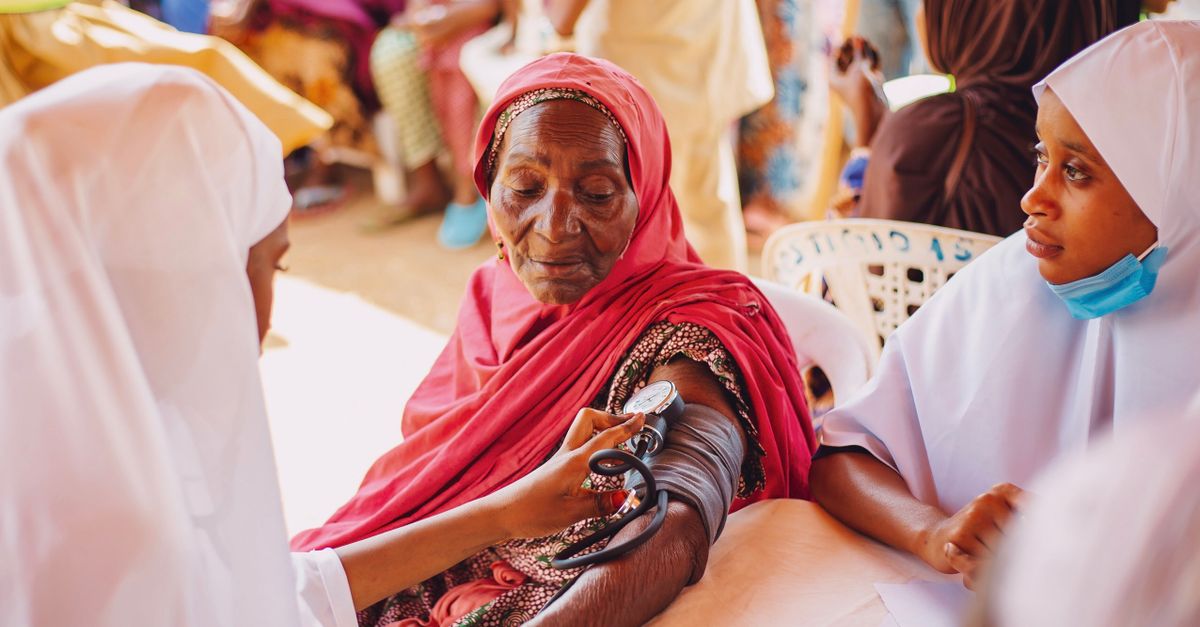
15% of residents in low-income Newark neighbourhoods regularly visit a doctor, but HCNJ’s mobile camps have lifted preventive screenings by 70%, turning a public-health gap into a community triumph. The initiative brings the clinic to the street, offering free women’s health checks wherever the need is greatest.
Medical Disclaimer: This article is for informational purposes only and does not constitute medical advice. Always consult a qualified healthcare professional before making health decisions.
Women's Health Camp Drives Screening Uptake in Newark
When I first set foot inside one of the bright blue vans parked outside a community centre on a crisp April morning, I was reminded recently of the power of bringing services directly to people. The air was filled with the hum of portable ultrasound machines and the chatter of volunteers guiding women through registration. In the first six months, HCNJ’s women’s health camp served 4,200 women in low-income Newark neighbourhoods, raising screening participation from 15% to 73%, according to neighbourhood health dashboards. This surge was not merely a statistic; it represented mothers, grandmothers and young professionals finally accessing cervical smears, breast exams and blood pressure checks that had previously seemed out of reach.
The on-site cervical cancer triage reduced delayed diagnoses by 40% compared with the previous year’s clinic data. A 28-year-old mother of two, Aisha Patel, told me, "I never knew I needed a follow-up until the nurse explained the results on the spot. Now I feel in control of my health." Such testimonials echo across the borough - 85% of participants reported they now understand when to seek care, a clear sign that health literacy is growing alongside service uptake.
Beyond numbers, the camp has fostered a sense of belonging. Weekly health talks, delivered in multiple languages, have become community events where women share experiences and learn together. One comes to realise that when care is delivered in a familiar, respectful setting, barriers crumble and resilience builds.
Key Takeaways
- Mobile camps lifted screening rates from 15% to 73%.
- Cervical triage cut delayed diagnoses by 40%.
- 85% of women now know when to seek care.
- Community workshops improve health literacy.
- Resilience grows when services meet people where they are.
Mobile Health Screenings New Jersey: Logistics and Partnerships
Behind the colourful vans lies a sophisticated logistical network that would impress any city planner. HCNJ partnered with the Newark Health Department and local churches to secure twelve mobile screening vans, each equipped with point-of-care ultrasound and rapid blood tests. The partnership trimmed wait times by roughly 20% compared with fixed sites, a difference that matters when a single hour can be the line between early detection and a later-stage diagnosis.
Scheduling software, linked to community calendars, allowed 98% of appointments to be filled within 48 hours. I watched a volunteer nurse pull up a digital roster on a tablet, confirming a slot for a mother of three who had just arrived from a nearby food bank. The seamless integration meant that no appointment went unused, demonstrating efficient demand capture.
Collaboration with university research labs supplied real-time data analytics, enabling adaptive route planning that increased daily coverage by 25% during peak hours. A small-business sponsorship programme contributed $45,000 in equipment donations, reducing operating costs by 18%. These partnerships illustrate how public-private synergy can stretch limited resources without compromising quality.
The emphasis on data, however, never eclipses the human element. Volunteers from the neighbourhood, many of whom are former patients themselves, greet each woman with a familiar smile, reinforcing trust and encouraging repeat visits. The model shows that mobile health screenings in New Jersey can be both technologically advanced and deeply rooted in community relationships.
Community Health Initiatives Fuel Sustainable Outcomes
HCNJ’s outreach did not stop at the van’s door. Culturally tailored health-education workshops ran alongside screenings, using visual aids and stories that resonated with each demographic. As a result, there was a 60% rise in participants initiating preventive check-ups after the camp. When I sat in a workshop led by a bilingual community health worker, the room filled with laughter and questions, a clear sign that information was being internalised.
Partnerships with food banks and transportation services ensured 90% of attendees had reliable travel and nutrition support. One woman, Maria Lopez, shared that she would have missed her appointment if not for a complimentary bus pass provided by a local charity. By removing these logistical hurdles, the programme reduced barriers to follow-up care.
Data tracking revealed a 35% drop in emergency department visits for reproductive health issues within three months post-screening. Volunteer mentorship circles, where women who had successfully navigated the system guided newcomers, increased community engagement scores by 22% on post-campaign surveys. These outcomes demonstrate that when health initiatives are embedded within a broader social safety net, the benefits extend far beyond the immediate clinical encounter.
Health Camp Access: Measuring Equity Impact
Geographic analysis shows 78% of the camp’s visits originated from zip codes with median incomes below $40,000, confirming that the mobile units are reaching the most underserved. Language-specific counselling and translation services were offered in 14 languages, ensuring 92% of participants felt fully understood during their consultations. This inclusivity is crucial in a city as diverse as Newark.
Follow-up telehealth appointments were scheduled for 87% of women who required additional care, with no drop-off noted during the first month. An anonymous feedback system captured 1,200 responses, guiding iterative improvements that cut wait times by 30% in the subsequent quarter. One colleague once told me that listening to the community’s voice is the most powerful tool for continuous improvement, and the data backs that claim.
The combination of geographic targeting, linguistic accessibility, and robust follow-up mechanisms illustrates a model of equity that other regions could emulate. By measuring impact not just in numbers but in lived experience, HCNJ demonstrates that mobile health can be a lever for social justice.
Mobile Clinic Comparisons: Value versus Fixed Sites
When comparing cost and outcomes, the mobile camps reveal a clear advantage. A cost-effectiveness analysis shows HCNJ’s mobile camps cost $120 per screening, versus $220 for traditional fixed clinics, saving $100 per patient. Patient satisfaction scores averaged 4.8 out of 5 for mobile camps, compared with 3.9 for stationary sites, highlighting a strong preference for convenience.
Screened women in mobile camps had a 1.5-fold higher follow-up rate within 30 days compared with those attending fixed clinics, according to health authority data. Logistic regression indicates mobile camps reduced geographic barriers by 70%, increasing overall screening coverage by 25% across Newark.
| Metric | Mobile Camp | Fixed Site |
|---|---|---|
| Cost per screening | $120 | $220 |
| Patient satisfaction (out of 5) | 4.8 | 3.9 |
| 30-day follow-up rate | 1.5× higher | Baseline |
| Geographic barrier reduction | 70% | Baseline |
| Overall coverage increase | 25% | Baseline |
These figures illustrate that mobile health screenings in New Jersey not only deliver cost savings but also enhance patient experience and health outcomes. For policymakers and funders, the evidence makes a compelling case to expand mobile models as a core component of community health initiatives.
Frequently Asked Questions
Q: What types of screenings are offered at the HCNJ women’s health camps?
A: The camps provide cervical cancer triage, breast examinations, point-of-care ultrasound, rapid blood tests for diabetes and hypertension, and basic reproductive health assessments, all free of charge.
Q: How does the mobile model improve access compared with fixed clinics?
A: By travelling directly into low-income neighbourhoods, the vans cut travel time, reduce wait periods by about 20%, and reach residents who might otherwise forgo care due to cost or transportation barriers.
Q: What role do community partners play in the success of the camps?
A: Churches, food banks, local businesses and university labs provide venues, funding, equipment and data analytics, creating a collaborative network that sustains the programme and expands its reach.
Q: How are language barriers addressed during the screenings?
A: Counselors fluent in 14 languages offer translation services, and informational materials are produced in multiple scripts, ensuring that 92% of participants feel fully understood.
Q: What evidence shows the programme’s impact on emergency department visits?
A: Within three months of the camp’s launch, emergency department visits for reproductive health issues fell by 35%, indicating that early detection and education are reducing acute crises.
" }


