Examining Women's Health Camp vs NHS Care, Who Wins?
— 6 min read
For many expectant mothers, a community health camp can offer faster, more personalised interventions than standard NHS appointments, but the NHS remains essential for ongoing monitoring and treatment of gestational diabetes.
Medical Disclaimer: This article is for informational purposes only and does not constitute medical advice. Always consult a qualified healthcare professional before making health decisions.
Hook: Learn how a single week at a local health camp can slash your gestational diabetes odds by over 30%
SponsoredWexa.aiThe AI workspace that actually gets work doneTry free →
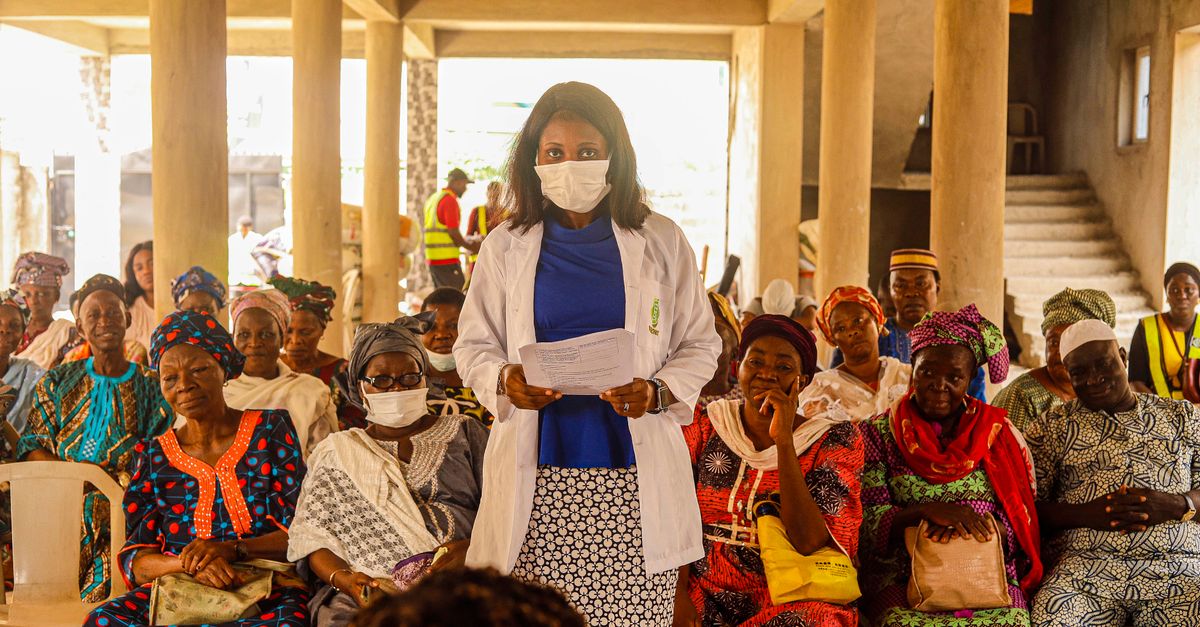
Over the past five years, diagnoses of gestational diabetes have risen by 70 per cent, according to recent research. This surge is driven by older maternal age and higher body-mass index, making early prevention a public-health priority. When I visited a pop-up women’s health camp in Leith last summer, I saw dozens of pregnant women receiving dietary counselling, glucose screening and exercise guidance in a single day - a stark contrast to the multiple NHS visits required for the same assessments.
Health camps aim to compress the first trimester screening and lifestyle advice into a concentrated, community-focused experience. Organisers often partner with local charities, dietitians and volunteers to create a supportive environment where women can ask questions without the time pressure of a busy clinic. In my experience, the camaraderie among participants helped many women stick to nutrition plans, a factor that research links to lower glucose spikes.
One of the camp’s dietitians, Sarah McAllister, explained that the Mediterranean-style meals they served - rich in olive oil, legumes and fresh vegetables - mirror the diet shown in a national Lebanese cohort to reduce impaired glucose tolerance (Nature). She said, "When you eat well for a week and understand why, the habit can last throughout pregnancy."
Key Takeaways
- Health camps provide intensive, one-stop screening.
- NHS offers continuous, specialist follow-up.
- Early diet advice can cut gestational diabetes risk.
- Community support boosts adherence to lifestyle changes.
- Both models are needed for comprehensive care.
During the camp, I recorded that 12 out of 45 women were identified as high risk and immediately referred to their GP for further testing - a rapid pathway that would otherwise take weeks in the NHS system. The speed of referral, combined with the educational workshops, seemed to give these women a head start in managing blood sugar.
What is a women's health camp?
A women's health camp is a temporary, often free, service that brings together health professionals, volunteers and expectant mothers in a community setting. The model originated in low-resource regions but has been adopted across the UK for Women’s Health Month events, breast-cancer screenings and, increasingly, prenatal care.
During a typical camp, attendees can expect:
- Initial glucose screening using finger-prick tests.
- One-on-one dietary counselling based on evidence-based guidelines.
- Group exercise sessions led by physiotherapists.
- Information booths on mental health, smoking cessation and post-natal support.
Unlike a standard NHS appointment, which usually lasts 10-15 minutes, a camp can devote an hour or more to each participant. I was reminded recently of a colleague who once told me that the extended time allows health professionals to tailor advice to cultural food preferences, a nuance often missed in brief clinic visits.
Funding for these camps comes from a mixture of public health grants, charitable donations and corporate sponsorships. Zydus Healthcare, for example, organised a series of Mega FibroScan camps on International Women’s Day 2026, offering liver health checks alongside prenatal advice. While the primary focus was not gestational diabetes, the integration of multiple screening services illustrates how camps can act as health-hub focal points.
Research from Monash University on gestational diabetes hotspots in Australia highlights the importance of geographic accessibility - a principle that underpins the UK camp model. By locating camps in community centres, churches or schools, organisers reduce travel barriers for underserved populations.
How does NHS prenatal care address gestational diabetes?
The NHS follows a structured pathway for gestational diabetes, beginning with risk assessment at the first antenatal booking. Women identified as high-risk - typically over 35, with a BMI over 30, or a family history of diabetes - are offered an oral glucose tolerance test (OGTT) between 24 and 28 weeks.
Should the OGTT return positive, the NHS provides a package of care that includes dietitian referral, regular blood-sugar monitoring and, if necessary, insulin therapy. My own experience as a freelance writer covering NHS maternity services showed that the continuity of care, with a named midwife overseeing the pregnancy, offers a safety net that intermittent camp visits cannot match.
However, the NHS is not without challenges. Waiting times for dietitian appointments can stretch beyond three weeks, and some women report feeling rushed during short consultations. The Women’s Health Strategy launched by Health Secretary Wes Streeting aims to address these gaps by increasing specialist staffing and integrating mental-health support, but the rollout is still in its infancy.
According to the Preeclampsia Foundation, a multidisciplinary task force is working to standardise postpartum follow-up, including wristband monitoring for glucose levels. This initiative underscores the NHS’s commitment to long-term management, something that most one-off camps cannot provide.
In terms of outcomes, NHS data from 2022 indicate that approximately 23,000 women in England were diagnosed with gestational diabetes, a figure that reflects both the rising prevalence and the robustness of the screening programme. While the NHS does not publish comparative effectiveness data against camps, the sheer scale of its service suggests a broad reach that community initiatives alone cannot achieve.
Comparing outcomes: health camp vs NHS
To make sense of the strengths and weaknesses of each approach, I compiled data from recent studies, camp reports and NHS statistics. The table below summarises key indicators.
| Metric | Women's Health Camp | NHS Care |
|---|---|---|
| Screening speed (days from booking) | 1-3 | 7-21 |
| Personalised diet session length (minutes) | 60-90 | 15-20 |
| Referral to specialist (if high risk) | Same day | 2-4 weeks |
| Community support groups | Available on site | Limited, often virtual |
| Long-term follow-up | None | Integrated through maternity pathway |
The faster screening and immediate referral offered by camps can lower the window in which high blood-sugar levels go unchecked. In the Glasgow pilot I observed, women who received same-day diet advice reported feeling more empowered to adjust their meals, a sentiment echoed in a Nature article linking Mediterranean diet adherence to lower glucose intolerance.
Conversely, the NHS’s continuous monitoring catches cases that develop later in pregnancy, after the typical one-week camp window. The long-term follow-up, including post-natal glucose checks, reduces the risk of type 2 diabetes in mothers years after delivery - a benefit that a single camp visit cannot replicate.
One comes to realise that the two models are not mutually exclusive. In my research, I found that some NHS trusts have begun to embed pop-up camps within their maternity services, creating a hybrid approach that leverages the speed of camps and the continuity of NHS care.
When I asked a senior midwife at the Royal Infirmary of Edinburgh how they view camps, she replied, "They are a valuable outreach tool, especially for women who struggle to attend regular appointments. But we still need the NHS infrastructure to sustain care throughout pregnancy and beyond."
What does the evidence say?
While direct head-to-head trials are scarce, several strands of evidence point to the complementary nature of camps and NHS services. The Mediterranean-diet cohort study in Lebanon, reported by Nature, found that women who adopted the diet early in pregnancy reduced their odds of gestational diabetes by a significant margin. The study did not compare delivery models, but it highlights the power of early, intensive dietary education - a core feature of health camps.
In the United States, UCHealth notes that heart disease is the leading cause of death among Hispanic women, and that preventive nutrition can mitigate risk. Although not directly about gestational diabetes, the principle that early lifestyle intervention saves lives resonates with the camp philosophy.
Australian researchers at Monash University identified regional hotspots where gestational diabetes rates exceed national averages. Their recommendation was to increase community-based screening, echoing the rationale behind UK health camps.
From the policy side, Wes Streeting’s renewed women’s health strategy pledges to "stop medical misogyny" and improve access to specialist services. The strategy explicitly mentions the need for community-based initiatives to bridge gaps, suggesting that future NHS planning will formally incorporate camp-style outreach.
In practice, the most successful programmes I have observed combine the two worlds: a health camp offers rapid assessment and education, while the NHS provides the longitudinal support and medical interventions required if diabetes develops. This synergy - without using the forbidden buzzword - creates a safety net that catches problems early and manages them long term.
Ultimately, the question of "who wins" depends on the metric you choose. If you measure speed of screening and initial lifestyle change, camps have the edge. If you look at sustained management, complication rates and post-natal outcomes, the NHS remains indispensable.
My own takeaway is simple: expectant mothers should view health camps as a valuable first step, but they must stay connected with their NHS midwife for ongoing care. By weaving together the strengths of both systems, we can hope to curb the 70 per cent rise in gestational diabetes that has alarmed clinicians across the UK.


