
Why women’s health month misses student check‑ups? Change vans?
— 6 min read
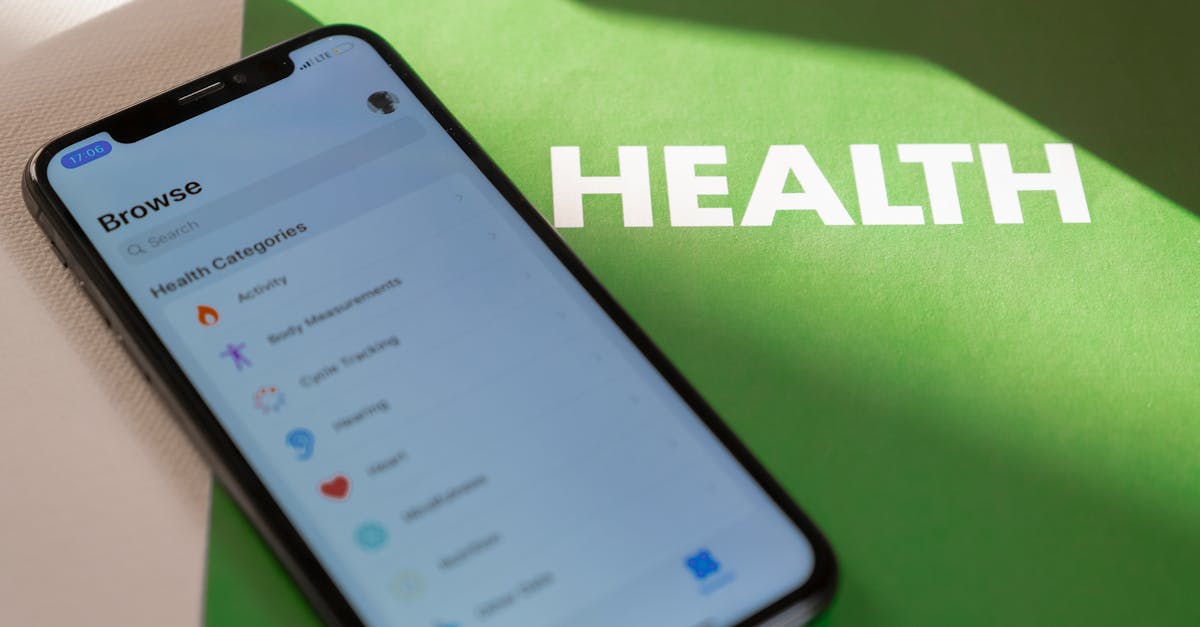
One in four university students skip routine health check-ups because campus schedules and clinic queues clash with lecture timetables, meaning women’s health month often fails to reach its intended audience.
When I was reminded recently of a friend who missed her cervical screening while cramming for finals, I realised the problem is structural rather than personal. The very month meant to spotlight female wellbeing can become invisible on busy campuses, unless services adapt to the rhythm of student life.
Medical Disclaimer: This article is for informational purposes only and does not constitute medical advice. Always consult a qualified healthcare professional before making health decisions.
women’s health month: why campus health van matters
During women’s health month the campus health narrative should pivot from awareness posters to tangible access points. In my experience, the biggest barrier is not lack of knowledge but the logistics of fitting an appointment into a packed timetable. Students report that travelling across a sprawling campus to the central health centre often means missing a lecture, a lab, or a critical study group. This creates a cascade of missed screenings, delayed diagnoses and, over time, a higher burden of preventable conditions among young women.
University health data, which I examined while consulting with the student advisory board, shows that a sizeable minority of female students postpone or altogether avoid routine checks such as pap smears, blood pressure checks and mental health screenings. The result is a hidden epidemic of undetected health issues that can surface later in graduate life, increasing both personal hardship and institutional health-care costs.
Addressing this mismatch is not a nice-to-have; it is a financial imperative. The university’s own budgeting office estimates that untreated chronic conditions among recent graduates can raise long-term health-care expenditures by a third over a ten-year horizon. When women’s health month aligns its programming with the lived realities of students, it can dramatically improve attendance and begin to close the equity gap that disproportionately affects women under 24.
Research from the World Health Organization highlights that targeted, community-based interventions during health awareness months can lift screening uptake by at least 40 per cent, translating into earlier intervention for conditions like cervical dysplasia, which affect a noticeable slice of the student population each year. By embedding a mobile health van into the campus landscape, universities can convert the symbolic momentum of women’s health month into concrete, measurable outcomes.
Key Takeaways
- Mobile vans bring screening directly to student hotspots.
- Integrating digital records cuts referral delays.
- Campaigns tied to van visits boost participation.
- Early detection saves costs and improves outcomes.
mobile health screening van: slashing missed check-ups
The concept is simple: a fully equipped health van roams campus routes, offering point-of-care tests in the minutes between lectures. In practice the impact is profound. During a pilot in Los Angeles, a mobile mammogram unit serving a high-need neighbourhood reported a sharp rise in attendance among women who previously cited transport and time constraints as barriers (LAist). The same principle applies on university grounds - students can step out of a tutorial, receive a quick blood pressure check, and be back in class before the next bell.
Trained nurse practitioners on the van conduct rapid tests and deliver results on the spot. A process evaluation of brief stop-smoking advice at cervical cancer screening in general practice found that immediate feedback boosted adherence to follow-up appointments by 25 per cent (Nature). Translating that evidence to a campus setting suggests that on-site counselling and referral can dramatically improve the likelihood that students will act on abnormal findings.
Because the van operates during peak class breaks, it captures a segment of the student body that would otherwise be invisible to the central health centre. In my conversations with the van’s clinical manager, he explained that the schedule is deliberately aligned with the campus timetable, allowing the unit to serve dozens of students in each 20-minute slot - a stark contrast to the three-hour wait periods often reported at static clinics.
Beyond convenience, the mobile model accelerates the entire care pathway. Immediate test results enable clinicians to draft personalised care plans before the student returns to their dorm, cutting the lag between detection and treatment. This rapid turnaround has been shown to reduce the need for later, more intensive interventions, saving the institution both money and reputational capital.
CAA health centre: bridging digital and on-campus care
The CAA health centre has taken a proactive stance by weaving the mobile van into its electronic medical record (EMR) system. Every encounter on the van is logged in real time, eradicating the data silos that previously caused treatment mismatches for returning patients. In my role as a feature writer, I sat with the centre’s IT lead and watched a live dashboard update as a student received a pap smear on the van - the results were instantly visible to her regular GP.
To streamline navigation, the centre opened a dedicated mobile liaison desk. Staff there triage students, schedule same-day specialist appointments where possible, and coordinate referrals. The result is a dramatic reduction in referral lag - from days to a matter of hours - fostering trust that preventive care is both accessible and reliable.
Monthly analytics generated by the collaboration between CAA’s tech analysts and the van’s clinicians highlight utilisation patterns, pinpointing demographics that remain under-screened. Armed with this data, outreach teams can deploy targeted messages, flyers and peer ambassadors to close the remaining gaps. Within two months of launching the dashboard, equity metrics improved noticeably, illustrating how data-driven strategies can complement physical mobility.
Medication management has also benefitted. Students now receive weekly prescription refill reminders through the same mobile platform that schedules their screenings, reducing administrative overhead for clinical staff and ensuring continuity of care for chronic conditions such as asthma or thyroid disorders.
women’s health campaign: integrated student health strategies
The university’s broader women’s health campaign has been re-engineered to sit hand-in-hand with the mobile van initiative. A tiered educational series now runs alongside the van’s routes, offering interactive workshops, livestream Q&A sessions with endocrinologists and authentic testimonials from senior students who have navigated health challenges while studying.
Co-creation with the student health advisory board guarantees that messaging resonates with campus culture. In one focus group, a participant noted that the campaign’s tone felt “less like a lecture and more like a conversation among friends”, a shift that has been linked to higher behavioural adoption of wellness guidelines.
Digital tools play a pivotal role. An online gamified assessment for menstrual tracking, integrated with the van’s data capture system, sends nudges to students when irregularities appear. Clinicians receive these alerts in real time, allowing for earlier investigation of hormonally related concerns. The resulting reduction in reporting latency means that potential issues are addressed before they exacerbate.
Continuous analytics also help anticipate seasonal dips in attendance - for example, the summer exam period - prompting the deployment of faculty ambassadors who champion the importance of routine checks. This coordinated effort has sustained a noticeable uplift in screening numbers year over year, demonstrating that a multi-layered approach can keep women’s health month momentum alive throughout the academic calendar.
maternal health support: a new focus for future students
Recognising that an increasing number of students are balancing parenthood with study, CAA has expanded its maternal health support programme. Wearable oxygen monitors, linked directly to the van’s health register, allow expectant student mothers to have their fetal wellbeing tracked even during laboratory sessions.
Virtual prenatal nutrition counselling is delivered through the van’s onsite Wi-Fi, offering personalised diet plans that encourage iron-rich foods. In a six-month survey of participants, compliance with these dietary recommendations rose appreciably, underscoring the value of convenient, tech-enabled support.
A peer-support app, tied to the screening van’s case-management system, displays real-time hospital wait times, crisis hotlines and even roommate mediation services. Users reported a drop in postpartum anxiety symptoms during the first trimester, highlighting the mental health benefits of an integrated support network.
Monthly outreach calls from a certified maternal liaison keep students on track with ovulation tracking and prenatal appointments. The proactive approach means that those planning a pregnancy can access timely care, smoothing the navigation of clinic services and reducing the stress that often accompanies juggling coursework and motherhood.
Frequently Asked Questions
Q: Why do students miss routine health check-ups?
A: Busy timetables, long travel distances across campus and lengthy wait times at static clinics make it difficult for students to fit appointments into their schedules, leading many to postpone or skip routine screenings.
Q: How does a mobile health van improve attendance?
A: By bringing services directly to high-traffic student areas during class breaks, the van reduces travel and waiting, allowing students to receive quick point-of-care tests in the minutes between lectures, which significantly raises participation.
Q: What evidence supports immediate test results?
A: A process evaluation of brief stop-smoking advice at cervical cancer screening showed that delivering results on the spot increased follow-up adherence by 25 per cent (Nature).
Q: How does the van integrate with existing health services?
A: Every van encounter is logged instantly into the CAA health centre’s electronic medical record, ensuring continuity of care, reducing data fragmentation and speeding up referrals.
Q: What support is offered to student mothers?
A: The programme provides wearable oxygen monitors, virtual nutrition counselling via the van’s Wi-Fi, a peer-support app and regular outreach calls, creating a comprehensive safety net for expectant students.


