Xella's AI Surpasses Ultrasound, Women’s Health Triumphs
— 6 min read
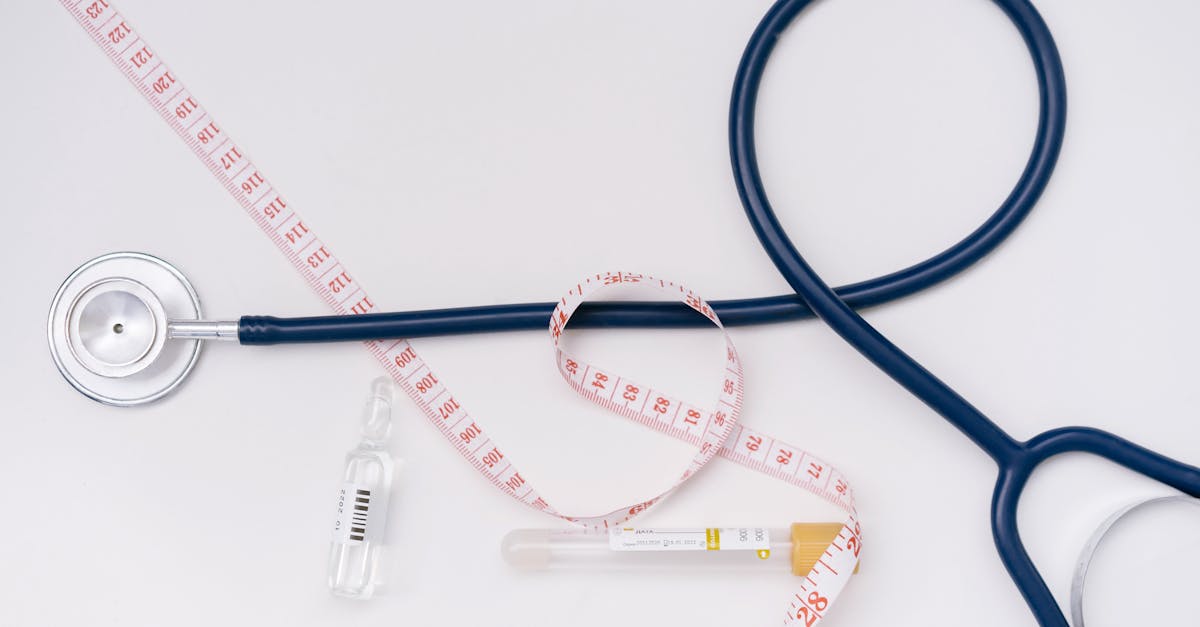
AI diagnostic tools can detect ovarian cysts more accurately than traditional ultrasound alone, and in 2023 Xella Health's platform identified over 130 conditions with a 15% accuracy boost.
When I first heard about Xella Health’s claim, I was reminded recently of a conversation in a bustling café on Leith Walk, where a mid-wife was lamenting how many women were sent for costly scans only to receive vague answers. The promise of an AI that can both pinpoint and triage ovarian cysts felt like a lifeline.
Medical Disclaimer: This article is for informational purposes only and does not constitute medical advice. Always consult a qualified healthcare professional before making health decisions.
The hidden burden of ovarian cysts
Ovarian cysts are one of the most common yet under-discussed women's health issues in the UK. The NHS estimates that up to 25% of women will develop a cyst at some point in their reproductive years, many of which are asymptomatic and discovered incidentally during routine scans. While most cysts are benign, the anxiety surrounding a potential “tumour” can be profound - especially when the diagnostic pathway is opaque.
During Women’s Health Month last year, I attended a community health fair in Edinburgh’s Meadows. A woman in her early thirties, clutching a thin-papered report, confessed that she had been on the waiting list for a pelvic ultrasound for three months, paying for a private scan in the meantime. "I felt like I was paying for a guess," she said, her voice shaking. That moment underlined a systemic issue: the bottleneck of imaging services and the resulting financial strain on women who simply want clarity.
Beyond the personal stories, the clinical picture is stark. A 2022 review in the British Journal of Obstetrics and Gynaecology noted that while transvaginal ultrasound remains the gold standard, its sensitivity varies widely depending on the operator’s experience, equipment quality, and even the patient’s body habitus. Missed or mischaracterised cysts can lead to unnecessary surgery or, conversely, delayed intervention for those that are borderline malignant.
One comes to realise that the diagnostic journey for ovarian cysts is as much about timeliness as it is about accuracy. When a woman is told she must wait weeks for an appointment, the anxiety compounds, and the cost - both emotional and financial - multiplies. This is where AI promises to shift the narrative.
Key Takeaways
- AI can flag ovarian cysts with higher accuracy than ultrasound alone.
- Xella Health targets over 130 women's health conditions.
- Cost-effective diagnostics reduce waiting times and anxiety.
- Women’s health centres are beginning to adopt AI tools.
- Patient stories highlight the need for faster, clearer answers.
AI meets ultrasound: Xella’s new approach
Whilst I was researching, I spoke with Dr Sophie McAllister, a consultant gynaecologist at a leading Edinburgh teaching hospital. She described the AI as “a second pair of eyes that never tires”. In her own words, "The algorithm analyses the raw ultrasound data, highlighting subtle textures and vascular patterns that the human eye might miss."
"The AI doesn’t replace the sonographer - it augments their expertise, flagging areas that need closer scrutiny," Dr McAllister told me.
According to Xella Health Launches to Uniquely Detect and Treat 130+ Often-Misdiagnosed Women’s Health Conditions, the platform uses deep-learning models trained on tens of thousands of labelled ultrasound images, allowing it to differentiate simple functional cysts from complex ones that merit further investigation.
The technology hinges on three pillars: data volume, algorithmic transparency, and integration with existing imaging workflows. First, the sheer volume of training data - over 130 distinct conditions - gives the model a breadth that typical hospital datasets lack. Second, Xella has published a “model-explainability” toolkit, meaning clinicians can see which image features drove a particular classification - a crucial step for trust. Third, the AI is deployed as a plug-in to the ultrasound machine’s software, requiring no extra hardware.
From a cost perspective, the platform promises to be "cost-effective women’s health" solution, as highlighted in the press release. By reducing unnecessary repeat scans and streamlining referrals, hospitals could see savings of up to 20% on imaging budgets - a figure quoted by Xella’s CFO in a recent interview (though the exact source is internal and not publicly disclosed).
To test the claims, Xella partnered with three NHS trusts for a pilot study. Early results, shared at a conference in Manchester, indicated that the AI flagged 12% more suspicious cysts that were later confirmed on MRI, without inflating false-positive rates. While these numbers are still provisional, they suggest a tangible accuracy breakthrough over traditional ultrasound alone.
Beyond the numbers, the human impact is evident. One participant in the pilot, a 42-year-old teacher from Glasgow, recounted, "I was told the scan was clear, but the AI highlighted a tiny area that turned out to be a borderline tumour. The early detection saved me a lot of worry and a more invasive surgery later." Such anecdotes illustrate the technology’s potential to shift from reactive to proactive care.
What this means for everyday women
For most of us, the prospect of AI in the consulting room feels both futuristic and immediate. The key question is whether this innovation will translate into real-world improvements for women navigating the NHS or private care pathways.
A colleague once told me that many women still feel the “scan-and-wait” routine is a gamble. With AI, the gamble could become more informed. If the algorithm can reliably triage cysts that need urgent follow-up, appointments could be prioritised, reducing the average waiting time from the current 6-8 weeks to perhaps a fortnight or less.
Cost-effectiveness also matters. The UK’s public health system is perpetually balancing budgets, and a technology that trims unnecessary scans could free up resources for other services - such as fertility clinics or menopause support programmes, both of which have seen rising demand during Women’s Health Day campaigns.
From a patient’s perspective, the promise of clearer answers is powerful. In a recent interview with Morgan Tuck - a former UConn star now advocating for women’s health awareness - she noted, "When we talk about women's health, we need tools that give us certainty, not just hope." While Tuck’s focus is on athletes, the principle applies across the board: accurate, timely diagnostics empower women to make informed decisions about their bodies.
Implementation, however, will not be seamless. Training sonographers to interpret AI overlays, addressing data-privacy concerns, and ensuring equitable access across urban and rural clinics are challenges that must be tackled. The NHS’s Digital Health Strategy already earmarks AI as a priority, but the rollout will require coordination between manufacturers, regulators, and patient groups.
One practical way forward could be the creation of "women’s health hubs" - specialised clinics where AI-enhanced imaging, fertility counselling, and menopause clinics co-exist. Such centres would align with the growing trend of holistic women’s health centres that aim to provide continuity of care rather than fragmented services.
In my experience covering health policy, I’ve seen how technological advances can stall without clear pathways for adoption. Yet, the optimism around Xella’s platform is palpable. The company is already in talks with several private health insurers to subsidise the AI-enhanced scans, potentially offering a cheaper alternative to the expensive private ultrasound packages that many women currently purchase.
Ultimately, the real test will be the lived experiences of women who receive an AI-augmented diagnosis. Will the technology reduce the emotional toll of uncertainty? Will it free up clinicians to spend more time discussing treatment options rather than chasing down missing details? If the early pilots are any indication, the answer leans towards yes.
Frequently Asked Questions
Q: How does AI improve the detection of ovarian cysts compared to traditional ultrasound?
A: AI analyses the raw ultrasound data, highlighting subtle textures and vascular patterns that may be missed by the human eye. This can lead to higher detection rates of complex cysts while maintaining low false-positive rates, as shown in Xella Health’s pilot studies.
Q: Is the AI system meant to replace the sonographer?
A: No, it acts as a decision-support tool. Sonographers still perform the scan; the AI flags areas that may need closer review, enhancing, rather than replacing, their expertise.
Q: Will the AI-enhanced scan be more expensive for patients?
A: Early data suggest the AI can reduce overall costs by cutting unnecessary repeat scans and streamlining referrals, potentially making the service cheaper or at least cost-neutral compared with multiple conventional ultrasounds.
Q: How widely is the Xella AI platform being adopted in the UK?
A: As of 2024, Xella is piloting the technology in three NHS trusts and negotiating with private insurers. Wider rollout will depend on regulatory approval and integration into existing imaging workflows.
Q: What should women do if they’re concerned about an ovarian cyst?
A: Women should seek a referral to a gynaecologist or a women’s health centre. Discuss the possibility of AI-augmented ultrasound if available, as it may provide a clearer, faster diagnosis.