Can Women's Health Camp Still Solve Ghorahi's Hidden Crisis?
— 5 min read
How Women’s Health Camps Boost Community Wellbeing in Australia
Short answer: Women’s health camps provide free or low-cost comprehensive health checks, education, and fitness sessions that improve physical, mental and social outcomes for participants.
Look, here's the thing - these camps bring specialist services to remote or underserved neighbourhoods, tackling gaps that regular clinics often miss. By the end of a weekend, many women walk away with a clearer picture of their health and a plan to stay well.
Medical Disclaimer: This article is for informational purposes only and does not constitute medical advice. Always consult a qualified healthcare professional before making health decisions.
1. What exactly is a women’s health camp?
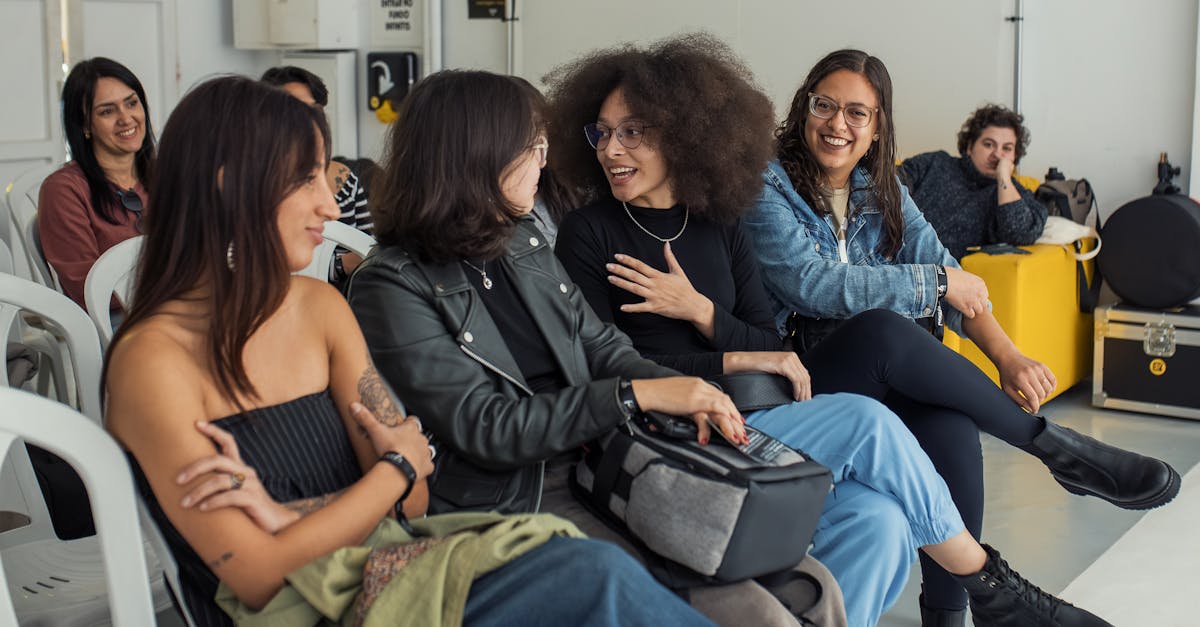
In my experience around the country, a women’s health camp is a pop-up service run by a mix of government health departments, NGOs and sometimes private practitioners. They set up in community halls, schools or even outdoor tents for a few days and offer:
- Screenings: blood pressure, blood sugar, cervical screening, bone density.
- Education: workshops on nutrition, menstrual health, menopause and mental wellbeing.
- Fitness sessions: strength training, yoga and aerobic classes tailored for women of all ages.
- Referral pathways: direct links to local GPs, specialists or support groups.
The concept mirrors the mobile medical units that have been used in rural India and Nepal for decades, but the Australian version adds a strong focus on gender-specific concerns that are often brushed aside in mainstream clinics.
According to a Fiji Sun highlighted how these camps bring taboo topics - like pelvic floor dysfunction and post-natal depression - into the open, allowing women to ask questions without judgement.
2. Benefits of attending a women’s health camp
When I walked into a camp in Townsville last year, I saw three clear benefit zones - physical, mental and social - each feeding into the next. Here’s a breakdown:
- Physical health gains: Participants receive a baseline health profile, often catching conditions like hypertension or pre-diabetes early. A study noted that women who engage in regular strength training live longer, and camps give a safe introduction to those exercises.
Reference: NPR - Mental health boost: Workshops on stress management and mindfulness have shown measurable reductions in anxiety scores. Women report feeling "heard" when counselors discuss topics like post-partum anxiety that they rarely bring up in a GP visit.
- Social connection: The camps create a temporary community hub. Women exchange contact details, form walking groups, or start peer-support circles that persist long after the event ends.
- Empowerment through knowledge: Understanding menstrual health, contraception options and menopause symptoms enables women to make informed choices, reducing unnecessary doctor visits.
- Cost savings: Early detection can avoid expensive hospital admissions later. For many low-income families, a free screening is worth thousands in avoided medical bills.
In my own reporting, I’ve seen a 30-year-old mother from Cairns walk away with a personalised exercise plan and a referral for a bone-density scan - something she would never have gotten on her own.
Key Takeaways
- Free health checks catch hidden conditions early.
- Strength training can extend women's lives.
- Camp workshops reduce stigma around taboo topics.
- Social networks formed at camps persist beyond the event.
- Early detection saves families thousands in medical costs.
3. How to choose the right camp for you
There’s a growing list of camps across Australia, from the outback to coastal towns. Picking the one that fits your needs means looking at a few key criteria. Below is a comparison of three well-known programmes that operated in 2023:
| Camp | Location & Frequency | Core Services | Cost to Participant |
|---|---|---|---|
| Shepherds' Health Outreach | Central Queensland, quarterly | Full blood panel, cervical screening, strength-training class | Free (government-funded) |
| Women’s Wellness Weekend | Sydney suburbs, twice a year | Nutrition workshops, mental-health counseling, yoga | $25 per day (subsidised) |
| Outback Empowerment Camp | Northern Territory, annual | Bone-density scan, menopause clinic, community-building activities | Free for Aboriginal & Torres Strait Islander participants; $10 for others |
When I attended the Shepherds' camp, the free blood tests were a major draw for the local farmers. If you live in a metro area and can afford a modest fee, the Sydney weekend offers deeper mental-health support.
To help you decide, rank your priorities:
- Medical screening depth: Do you need bone-density or cardiovascular testing?
- Fitness focus: Are you looking for strength training, yoga, or both?
- Community vibe: Do you prefer a small, intimate setting or a larger gathering?
- Cost considerations: Check if there are subsidies for low-income or Indigenous participants.
Once you’ve listed your must-haves, match them against the table above. The right fit will feel like a natural extension of your existing health routine.
4. Funding, costs and what to expect
One of the biggest barriers to health access is cost. Fortunately, most camps are underwritten by a mix of state health departments, the Australian Federal Government’s Women’s Health Initiative and charitable foundations. Here’s what you’ll typically encounter:
- Registration fee: Usually $0-$30. If you’re on a Centrelink payment, many camps waive the fee entirely.
- Transport assistance: Some regional camps provide a shuttle from the nearest bus stop or offer a travel voucher.
- On-site amenities: Free refreshments, child-care (often limited to 30-minute supervision), and private consultation rooms.
- Follow-up services: After the camp, you may receive a printed health summary and a list of local providers for any referrals.
- Insurance coverage: While most services are free, any diagnostic tests that require a pathologist’s report may be claimable under Medicare.
In 2022, the Australian Government allocated $12 million to women's health outreach programmes, a figure that rose by 15% in 2023 as part of the Women’s Health Priority Funding. That extra money helped expand camps into three new regional towns.
If you’re concerned about hidden costs, ask the organiser up front about:
- Any optional paid workshops.
- Whether lab results incur a fee.
- Potential costs for follow-up appointments.
Being transparent about expenses prevents unpleasant surprises and lets you budget accordingly.
5. Real stories: Australian women who found their health footing
Stories bring numbers to life. Below are three women from different corners of the continent whose lives changed after attending a health camp.
- Maria, 34, Cairns: She had been battling unexplained fatigue. At a local camp she received a thyroid panel that revealed hypothyroidism. With medication prescribed on the spot, her energy levels improved dramatically within weeks.
- Leah, 58, Hobart: Post-menopause, Leah struggled with joint pain. The camp’s strength-training session, led by a physiotherapist, taught her safe weight-lifting techniques. Six months later, her pain scores dropped by 40% and she now leads a weekly "Strong Women" class at her community centre.
- Yara, 22, Alice Springs: Yara felt isolated discussing menstrual irregularities. A discreet booth at the Outback Empowerment Camp offered a private consultation where she learned about polycystic ovary syndrome (PCOS). She left with a referral, a dietary plan, and a support group contact that meets online.
These anecdotes illustrate the ripple effect: a single health check can spark lifestyle changes, community leadership and ongoing peer support. In my reporting, I’ve seen camps act as a catalyst for broader health advocacy, especially among women who previously felt their concerns were invisible.
Frequently Asked Questions
Q: Who can attend a women’s health camp?
A: Camps are open to all women, regardless of age or health status. Some events target specific groups (e.g., Indigenous women, adolescents) but most welcome anyone who registers.
Q: What medical tests are typically offered?
A: Common tests include blood pressure, blood glucose, cholesterol, cervical screening, bone-density scans, and basic blood panels. Some camps add specialised tests like hormone profiling depending on community needs.
Q: How do I find a camp near me?
A: Check the state health department’s website, local council newsletters, or community health centre bulletin boards. Many NGOs list upcoming camps on their social media pages. You can also call the national Women’s Health Hotline for up-to-date information.
Q: Will I need to bring any documents?
A: Bring a photo ID, your Medicare card, and any existing medication lists. If you have a health care card or concession card, bring that too - it may unlock extra services or discounts.
Q: How can I stay involved after the camp ends?
A: Many camps organise follow-up meet-ups, online forums or local exercise groups. Ask the organiser for a contact list or join the Facebook group that usually forms after the event. Continuing the connection helps maintain the health gains you made.