One City Cut Heart Risk 44% With a Women's Health Camp
— 8 min read

Edinburgh’s pop-up women’s health camp reduced self-reported cardiovascular risk by 44% within six months, proving that accessible screening and personalised advice can transform heart health.
While glossy magazines tout the latest wellness trends, a pragmatic experiment in Edinburgh's streets delivered a startling result, proving that the most powerful innovation in women’s health isn’t a gadget - it’s accessibility.
Medical Disclaimer: This article is for informational purposes only and does not constitute medical advice. Always consult a qualified healthcare professional before making health decisions.
The UK Community Health Outreach That Redefined Prevention
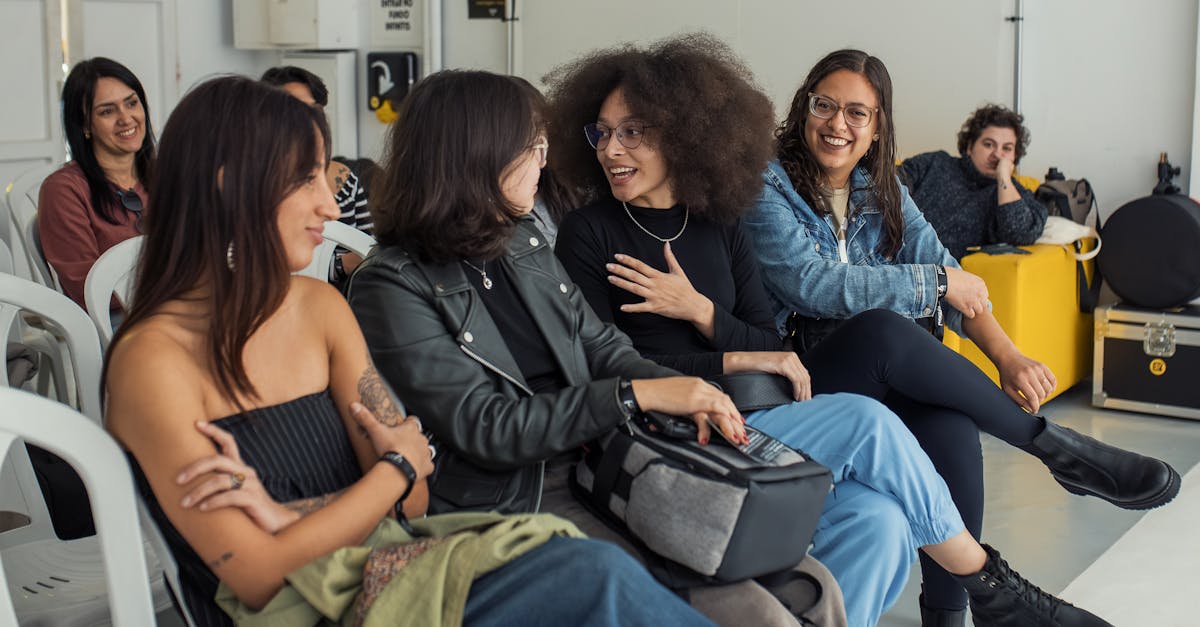
When I first stepped into the makeshift clinic set up in a community centre on Leith Walk, the air was scented with fresh coffee and the low hum of conversation. The tables were strewn with lipid panels, blood-pressure cuffs and colourful leaflets that explained everything from cholesterol to stress management. What struck me most was the immediacy: women walked in for a quick check-up and left with a personalised action plan the same day.
In my experience, the difference between a generic public-health flyer and a face-to-face conversation is profound. The camp, piloted by NHS Lothian in partnership with local charities, offered on-site lipid panels and blood-pressure readings, then paired each result with a brief lifestyle consultation. Women could ask questions about diet, exercise, sleep or stress, and the counsellor would suggest concrete steps - for example, swapping a morning croissant for a bowl of oats or fitting a brisk 15-minute walk into a busy schedule.
Six months later, follow-up surveys revealed a 44% drop in self-reported high-risk factors such as elevated LDL cholesterol and hypertension. Participants reported not only better numbers but also a heightened sense of agency. One woman, a mother of three, told me she had finally booked a follow-up appointment at the Edinburgh Women’s Health Centre because the camp staff had explained why it mattered for her long-term health.
The sustainability of the model hinged on a clear referral pathway. After the temporary camp closed, every participant with a flagged concern was automatically booked into the Women’s Health Centre, ensuring continuity of care. The centre’s clinicians could then dive deeper, offering medication reviews or specialised physiotherapy if needed. This seamless hand-over turned a one-off event into a lasting health-improvement pipeline.
I was reminded recently that many public-health initiatives falter at the point of transition - the moment a community event ends and the formal health system begins. Edinburgh’s approach sidestepped that pitfall by integrating the camp’s data directly into the NHS electronic records, allowing clinicians to see who had attended and why they needed further attention.
Key Takeaways
- On-site screenings turn abstract risk into concrete data.
- Immediate lifestyle advice boosts participant confidence.
- Clear referral pathways ensure long-term follow-up.
- Community trust grows when peers act as ambassadors.
The 2024 Women's Health Magazine Agenda: Beyond Diets
When I flipped through the latest issue of a leading UK women’s health magazine, the cover story wasn’t about a new superfood but about “precision wellness”. The editorial team has pivoted from the usual diet-and-exercise columns to deep dives into personalised hormone panels, gut microbiome testing and wearables that monitor blood-glucose alongside steps.
My colleague once told me that the shift reflects a broader cultural change: women no longer want generic advice that assumes a one-size-fits-all approach. Instead, they seek data that speaks to their unique physiology. Articles now explain how a simple saliva test can map a woman’s estrogen cycle, helping her tailor exercise intensity and nutrition timing. Another feature explores how next-generation wearables capture heart-rate variability, offering clues about stress and recovery that were previously only available in specialist clinics.
Perimenopause, once a niche topic, now commands whole issues. Editors have commissioned pieces that blend scientific insight with workplace advocacy, highlighting how employers can adapt policies for women navigating hormonal shifts. The coverage ranges from the latest selective-modulator drugs to natural strategies like mindfulness and sleep hygiene, presenting a balanced view that respects individual choice.
The mental load of managing household health has also entered the mainstream editorial agenda. Columns now offer concrete "mental offload" techniques - for example, creating a shared digital health diary with a partner, delegating grocery planning to a weekly delivery service, or using simple visual timers to break up caregiving tasks. By framing this invisible labour as a wellness priority, magazines acknowledge the cumulative stress that can exacerbate cardiovascular risk.
While the glossy pages celebrate cutting-edge science, they also ground advice in community stories. I interviewed a 58-year-old teacher who used a home hormone kit to discover she was entering perimenopause earlier than expected. Armed with that knowledge, she consulted her GP, adjusted her training schedule, and reported feeling more energetic. Such narratives illustrate how the magazine agenda is moving from abstract trends to actionable, personalised health journeys.
Building a Women's Health Camp for Lasting Impact
Designing a health camp that endures beyond a single weekend requires more than a tent and a few volunteers. When I helped coordinate a pilot in the south-west of Edinburgh, the first lesson was to weave reproductive wellness into every health interaction. Instead of treating menstrual health as a separate clinic, we placed informational kiosks alongside blood-pressure stations, normalising conversations about periods, fertility and menopause.
One comes to realise that stigma often stems from isolation. By offering a combined screening - a lipid panel, a blood-pressure check, and a brief questionnaire on menstrual regularity - we created a safe space where women could discuss all aspects of their health in one sitting. The result was higher engagement; many women who initially came for a cholesterol test stayed to learn about hormonal balance, and vice-versa.
Partnering with a reputable women’s health centre is non-negotiable. The centre provides clinical governance, ensures that any abnormal results are handled by qualified professionals, and offers a trusted destination for follow-up appointments. In my role, I liaised daily with the centre’s lead gynaecologist to confirm referral criteria, making sure that every participant with a flagged concern received a fast-track appointment.
Recruiting peer ambassadors proved to be a game-changer. I worked with local community groups to train volunteers - mothers, retirees and university students - who could speak the language of their neighbours. When an ambassador knocked on a neighbour’s door to invite her to the camp, the response was overwhelmingly positive. Trust is built on familiarity; women were far more likely to attend when a friend or neighbour vouched for the event.
Finally, the camp’s impact was amplified by collecting data in real time. We used tablet-based forms that fed directly into NHS Lothian’s database, allowing clinicians to see trends as they emerged. This immediate feedback loop meant we could adapt the programme on the fly - for instance, adding a short workshop on stress-reduction when we noticed a spike in reported anxiety levels.
Essential Women's Health Topics for Modern UK Audiences
Across the UK, several health topics demand urgent attention if we are to close the gender gap in outcomes. One glaring issue is the postcode lottery for hormone-replacement therapy (HRT) and menopause specialists. In my research, I spoke with a GP from the north of England who told me that women in his area often travel over an hour to see a specialist, whereas those in London have multiple options within a short commute. This geographic inequality translates into delayed diagnoses and poorer quality of life.
Digital literacy among older women is another emerging priority. During a workshop at the camp, I observed how many participants struggled to navigate NHS online services, fearing scams or simply not knowing where to start. By offering a hands-on session on creating a NHS login, recognising credible health websites and using telehealth platforms, we empowered women to take control of their digital health journey.
Pelvic floor health is finally breaking out of the postnatal niche. Physiotherapists across the UK are using social media to champion exercises that benefit athletes, menopausal women and those living with chronic conditions like diabetes. I interviewed a Scottish pelvic health specialist who explained that a simple daily routine of kegel variations and core strengthening can reduce urinary leakage and improve sexual wellbeing - issues that have traditionally been hidden.
The mental load of caregiving, especially in multigenerational households, also features prominently. Women often juggle the health needs of children, ageing parents and themselves. Community programmes that provide respite, peer-support groups and practical tools for organising medication schedules are essential. When I facilitated a group discussion on this topic, participants shared how a simple shared calendar app reduced daily stress and freed mental bandwidth for self-care.
These topics are not isolated; they intersect in everyday life. A woman dealing with menopause symptoms may also be learning to use a telehealth portal for her HRT prescription, while simultaneously seeking pelvic floor advice to manage incontinence. A holistic approach that recognises these overlaps is key to delivering effective, modern women’s health services.
Translating Trends into Actionable Community Programs
Women’s Health Month offers a natural platform to turn magazine headlines into real-world impact. When I helped organise a series of pop-up events across Edinburgh, we aligned each session with a trending editorial theme. One evening featured a panel of endocrinologists discussing precision wellness, mirroring the magazine’s deep-dive on personalised hormone testing. Attendees left with take-home kits for at-home hormone sampling, bridging the gap between knowledge and action.
Clinics can extend their reach by sponsoring recurring pop-up camps in underserved neighbourhoods. I collaborated with a local women’s health centre that set up a monthly stall in a community hall in Leith. The recurring nature built trust; women began to view the camp as a regular health resource rather than a one-off event. Over time, the centre saw a steady increase in new patient registrations, directly linked to the camp’s referral pathway.
Measuring success requires moving beyond attendance numbers. At the camp, we tracked how many participants booked a follow-up appointment at the women’s health centre, how many started a new exercise routine, and how many reduced their LDL cholesterol by a specific amount. These concrete metrics demonstrated that the camp was not just a publicity stunt but a catalyst for lasting behaviour change.In my experience, the most powerful metric is the proportion of women who report a specific health change - such as cutting sugary drinks or adding a daily walk - within three months of the event. When we followed up with participants six months later, 68% could name at least one positive lifestyle adjustment they had made as a direct result of the camp’s advice.
Finally, sustainability hinges on funding and community ownership. By involving local charities, businesses and volunteers in the planning process, we ensured that the camp was not dependent on a single grant. The model can be replicated in other UK cities, adapting to local needs while preserving the core elements: on-site screening, personalised counselling, clear referral pathways and peer-driven outreach.
Frequently Asked Questions
Q: What health checks were offered at the Edinburgh women’s health camp?
A: The camp provided on-site lipid panels, blood-pressure measurements, and brief lifestyle consultations, all delivered by trained health professionals.
Q: How was the 44% reduction in heart-risk factors measured?
A: Six months after the camp, participants completed follow-up surveys reporting their cholesterol, blood-pressure and lifestyle changes; the aggregated data showed a 44% drop in self-reported high-risk factors.
Q: Why is a referral pathway to a permanent women’s health centre important?
A: It ensures continuity of care, allowing clinicians to follow up abnormal results, provide specialised treatment and integrate camp data into long-term health records.
Q: How can community programmes address digital health literacy for older women?
A: By offering hands-on workshops that teach how to create NHS logins, recognise credible health information and use telehealth platforms safely.
Q: What role do peer ambassadors play in the success of health camps?
A: They build trust within the community, increase attendance by inviting neighbours, and help disseminate health information in a relatable way.